How AI-Powered Remarketing Strengthens Customer Retention in Buffalo
What AI-Powered Remarketing Means for Buffalo Businesses
AI powered remarketing uses machine learning, behavioral data, and automation to reconnect with people who have already interacted with a business. For Buffalo businesses, that means showing the right message to the right person at the right time based on the customer journey, purchase intent, and engagement signals instead of relying on broad, one-size-fits-all follow-up.
In practice, this approach combines retargeting, remarketing campaigns, and marketing automation to maintain your brand visible after the first visit, quote request, appointment, or purchase. A home services company in Amherst might remind homeowners about seasonal maintenance before winter. A restaurant in downtown Buffalo might send personalized offers to past diners before a busy holiday weekend. A healthcare practice in Western New York might use segmented messaging to bring patients back for follow-up care.
Sunstone Digital Tech50 Fountain Plz #1400, Buffalo, NY 14202
(315) 758-3349
https://maps.app.goo.gl/y9HMhvcoPCh9V3eKA
https://sunstonedigitaltech.com/buffalo-marketing-agency/web-design
42.8898193, -78.8738661
The big advantage is that AI can interpret behavior faster than manual workflows. Instead of sending every visitor the same message, it can identify who is likely to return, who needs a stronger offer, and who only needs a reminder to finish an action. That makes customer retention more strategic and more efficient.
Reasons Why Retention Matters More Than Repeated Acquisition
Getting new leads is important, but retention often drives stronger long-term growth. Repeat customers usually buy faster, convert more easily, and cost less to serve than first-time buyers. When a business https://www.google.com/maps/place/?q=place_id:ChIJL0CZMPcT04kRAFZrcO1NK4k focuses on retention, it improves customer lifetime value and delivers more stable revenue across busy and slow seasons.
That matters even more in competitive markets like Buffalo, NY, where many companies vie for the same local audience. Constant acquisition can increase costs quickly, especially in digital marketing channels where ad competition drives up pricing. By contrast, a strong retention strategy can increase repeat purchases, encourage cross-sell and upsell opportunities, and improve brand recall over time.
For example, a Buffalo HVAC company may spend heavily to attract new leads during the first cold snap. But if it uses retention-focused remarketing, it can bring back past customers for tune-ups, maintenance plans, and seasonal service reminders. That lowers acquisition pressure and builds more predictable demand.
Retention also improves efficiency across the full customer journey. A customer who already knows your brand requires less persuasion, responds better to personalized offers, and often needs fewer touchpoints to convert again. That is where AI, segmentation, and conversion rate optimization combine.
How AI Segmentation Enhances Marketing Relevance
Effective remarketing depends on audience segmentation. Artificial intelligence turns segmentation smarter by using predictive analytics to organize customers based on behavior, timing, and likelihood to act. Rather than separating users only by age or location, AI can identify patterns such as abandoned cart behavior, repeat browsing, service history, or content engagement.
This strengthens personalization because each audience receives a message matched to its intent. Someone who viewed a pricing page may need reassurance and proof points. Someone who purchased recently may respond better to a cross-sell or upsell. Someone who abandoned a form may need an abandoned cart recovery message or a simple reminder with stronger trust signals.
AI segmentation also drives better audience targeting. Businesses can develop lookalike audiences from high-value customers, then run dynamic ads that reflect the product or service each visitor viewed. That kind of precision raises ad relevance and often improves conversion rate optimization because users see content that feels timely instead of generic.
For Buffalo and Western New York companies, segmentation can also reflect local timing. A landscaping company might target spring lead generation after the last snow melts. A restaurant might segment frequent diners before summer event traffic downtown. A professional services firm in North Buffalo might separate prospects by service interest, lead scoring, and stage in the sales pipeline.
When combined with first-party data, predictive models help marketers decide who should receive more frequent outreach, who needs nurturing, and who is ready for a direct offer. That makes every message more effective and more relevant.
Retargeting Channels That Perform Best
The most effective retention strategies usually rely on multiple platforms rather than depending on one source. The ideal mix depends on audience activity, sales cycle length, and how often a customer needs a reminder.
- Email retargeting is well suited for follow-ups, product reminders, service renewals, and lead nurturing. It functions effectively for segmented messaging and personalized offers.
- Search marketing helps reach users who are already searching for a product, service, or brand again. It is especially effective when paired with conversion-focused landing pages.
- Social ads support brand recall and repeated exposure. They are useful for dynamic ads, event-based promotions, and re-engagement sequences.
Email marketing remains one of the most dependable ways to bring people back because it supports direct communication and automation workflows. A retailer can send product recommendations based on past purchases. A clinic can send appointment reminders and educational content. A home service company can trigger seasonal check-ins and maintenance prompts.
Paid campaigns can also be highly effective when built around user behavior. Search ads can re-engage people who returned to the site but did not convert. Social media advertising can reinforce trust through testimonials, local proof, and retargeted offers. When the messaging is coordinated across channels, it strengthens the entire retention strategy.
The main point is consistency. If a customer sees one message in email, a different offer in search, and unrelated creative on social media, the journey feels disjointed. AI helps align those touchpoints so the message evolves naturally as the customer moves closer to a repeat purchase.
Using Website Design and SEO to Improve Retention
Follow-up marketing does not work well if the website experience creates friction. Strong web design and seo services help with retention by making it easier for returning visitors to discover what they need, trust the brand, and complete the next step. Good design cuts down on confusion, while SEO helps people return through organic search and local discovery.
Carefully built landing pages are especially important. A remarketing visitor should land on a page that matches the ad, message, and intent. If the ad promotes a seasonal service in Buffalo, the landing page should speak directly to that offer, include a clear call to action, and load quickly on mobile. If the visitor is returning to learn more, the page should reinforce trust with reviews, service details, and easy contact options.
Conversion rate optimization depends on more than headlines and buttons. It also depends on navigation clarity, page speed, mobile responsiveness, and how well the page supports the next action. That is why retention campaigns and website strategy should be planned together, not separately.
SEO also helps with retention because many returning customers search branded terms, service names, or local phrases before converting again. Strong local SEO can keep a Buffalo company visible in search results when customers look for follow-up services, seasonal offers, or nearby support. In Western New York, that local visibility matters because many buying decisions begin with a search before a visit, call, or booking.
Artificial Intelligence Tools Marketers in Buffalo Employ to Automate Follow-Up
Contemporary customer retention programs often depend on crm software linked with AI-driven marketing automation. These tools assist local marketers sort contacts, monitor behavior, rate leads, and initiate automation workflows based on genuine behavior rather than guesswork. This leads to is speedier follow-up and more consistent communication.
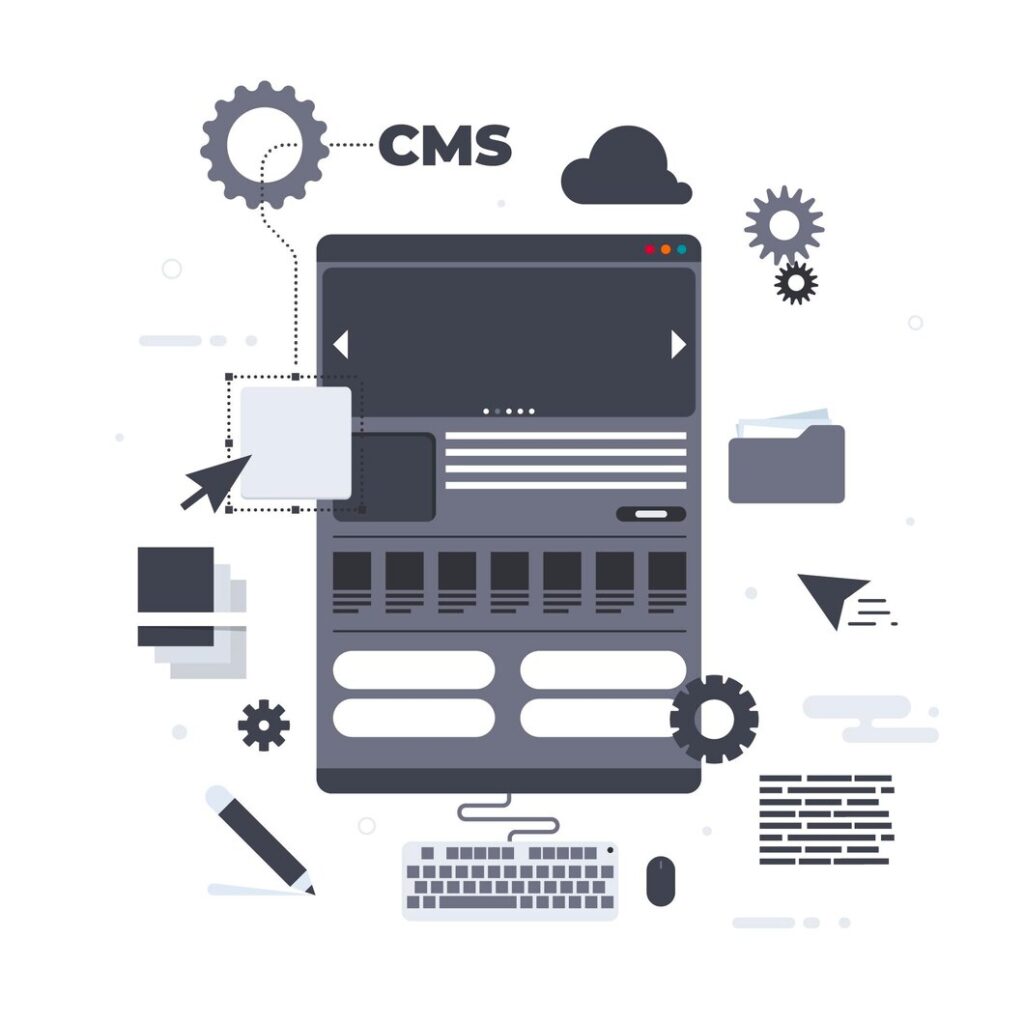
AI experts often configure systems so that customer data passes between the website, CRM, email platform, and ad channels. This lets businesses track engagement signals across the customer journey and decide when a person should be moved into a nurture sequence, reactivation campaign, or loyalty offer.
As an example, a law firm in Buffalo, NY may use CRM data to follow up with consultations that were not scheduled. A restaurant group may use customer history to send birthday offers or revisit campaigns. A contractor in Amherst may automate reminders for annual inspections. In each case, AI helps decide timing, frequency, and message variation.
Automated systems also improves lead scoring. If someone repeatedly visits a service page, downloads a guide, or opens multiple emails, the system can flag stronger purchase intent. That makes outreach more efficient and gives sales teams a better sense of who is most likely to respond.
When businesses use first-party data responsibly, they can build richer profiles without relying only on third-party targeting. That creates stronger relevance, better data quality, and more durable retention campaigns.
Local Customer Patterns in Buffalo and Western New York
Loyalty approaches should mirror how people truly browse and schedule in Buffalo, NY and Western New York. Local customer activity is influenced by weather, commuting patterns, neighborhood differences, and seasonal demand. What works in downtown Buffalo may need a different rhythm than what works in North Buffalo, Amherst, or the greater WNY area.
Winter weather can spark a surge in home services, auto repair, and healthcare-related searches. That means remarketing timing should align with seasonal urgency. If a homeowner browsed furnace repair content but did not book, a quick follow-up with a clear offer may be more effective than waiting weeks. During holiday shopping periods, e-commerce and retail businesses may need stronger dynamic ads, early reminders, and segmented messaging to stay top of mind.
Summer event traffic is another local factor. Buffalo restaurants, hospitality brands, and entertainment venues can use remarketing to bring back visitors who attended festivals, games, or downtown events. This is where brand recall and personalized offers matter because people are more likely to revisit businesses they already experienced in person.
Local search behavior also influences retention. Many customers return by searching “near me,” branded terms, or service categories with neighborhood context. A business with strong SEO and location-specific pages can capture that intent again and again, especially when paired with remarketing campaigns built around first-party data and customer history.
How to Measure Remarketing and Retention Outcomes
If you want to know whether your customer retention approach is working, you need reliable performance tracking. The key metrics often include conversion rate, return on ad spend, and customer retention rate. Taken together, these reveal whether your campaigns are creating real repeat behavior or just generating clicks.
The conversion rate tells you how many people make the desired action after seeing an ad, email, or landing page. Ad spend return shows whether the revenue generated is worth the media cost. Customer retention rate measures how many customers continue buying, booking, or engaging over time. For businesses focused on repeat purchases, that last metric is especially important.
It also helps to track supporting indicators such as open rates, click-through rates, repeat site visits, assisted conversions, and audience-level engagement signals. If customers respond well to a specific message but do not convert immediately, that may still be valuable because it strengthens the customer journey and brand recall.
Marketing teams should also compare segmented campaigns against broader ones. If audience segmentation and personalization improve results, that usually confirms that the message is more relevant. In the long run, businesses can use these insights to refine bidding, creative, offers, and automation workflows.
The goal is not just more traffic. The goal is better retention strategy, higher customer lifetime value, and more efficient growth.
Mistakes to Avoid with AI Remarketing
Even strong AI systems can underperform if the strategy is weak. One common issue is ad fatigue. If customers see the same creative too often, they become desensitized or react negatively. To avoid this, businesses should rotate offers, refresh visuals, and use frequency controls.
Another mistake is ignoring privacy compliance. Retention campaigns must respect consent, data handling rules, and user preferences. Businesses should be transparent about how first-party data is collected and used, especially when connecting CRM software, email marketing, and paid media systems.
Over-segmentation can also damage performance. While fine-grained audience segmentation is valuable, creating too many tiny groups can lead to gaps in data, slower learning, and weak delivery. The best approach is usually a middle ground: enough segmentation for relevance, but enough scale for consistent testing and refinement.
Businesses should also avoid sending remarketing traffic to underperforming landing pages. If the message is highly personalized but the page feels generic or confusing, the campaign slows down. Similarly, if follow-up timing ignores seasonal behavior in Buffalo or Western New York, opportunities can be missed.
The most effective remarketing programs are not just better ads. They are connected systems that combine web design, SEO, CRM workflows, and customer-focused messaging.
Common Questions About AI Remarketing and Customer Retention
What is AI-powered remarketing and how does it improve customer retention?
AI powered remarketing uses data, automation, and predictive analytics to bring back past visitors and customers with more relevant messages. It improves customer retention by raising ad relevance, supporting personalization, and encouraging repeat purchases through timely follow-up across email, search, and social channels.
How can Buffalo businesses use AI to bring back past customers?
Buffalo businesses can use AI to segment audiences, score leads, automate follow-up, and deliver personalized offers based on behavior and purchase history. A business in Buffalo, NY might re-engage customers with winter service reminders, holiday offers, or seasonal updates tailored to local demand in Western New York.
Which remarketing channels are most effective for local companies?
The most effective channels often include email remarketing, paid search, and social media advertising. Email is powerful for lead nurturing and repeat purchases, paid search works well for high-intent return visits, and social media ads help build brand recall and keep offers visible across the customer journey.
How do web design and SEO support customer retention campaigns?
Web design and seo services strengthen retention by allowing for returning visitors to find details, have confidence in the brand, and convert. Effective landing pages, fast load times, mobile-optimized designs, and local SEO visibility all help remarketing campaigns work more effectively and improve conversion rate optimization.
What metrics should I track to measure remarketing success?
Monitor conversion rate, return on ad spend, and customer retention rate first. You should also watch repeat visits, click-through rates, lead nurturing performance, lead scoring results, and engagement signals. These metrics show whether your remarketing campaigns are producing valuable customer retention and long-term value.